
For a number of months now, I’ve been attending Christine Person’s Vedic Art classes, just down the road in the gorgeous Tuscan town of Montegiovi.
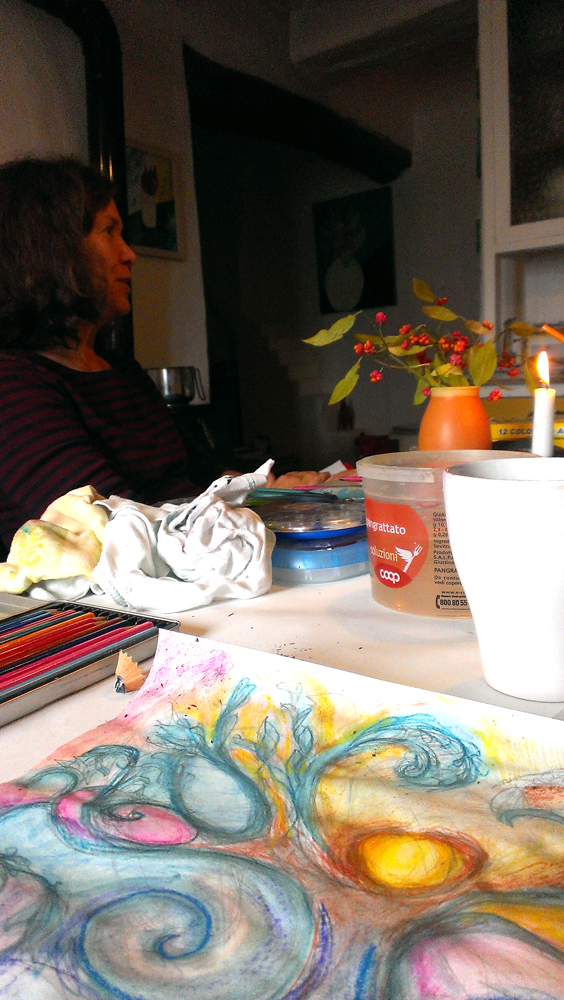
So…What is Vedic Art?
As Christine writes, “Vedic Art is a new method that opens the way towards awareness and self-knowledge through spontaneous painting.”
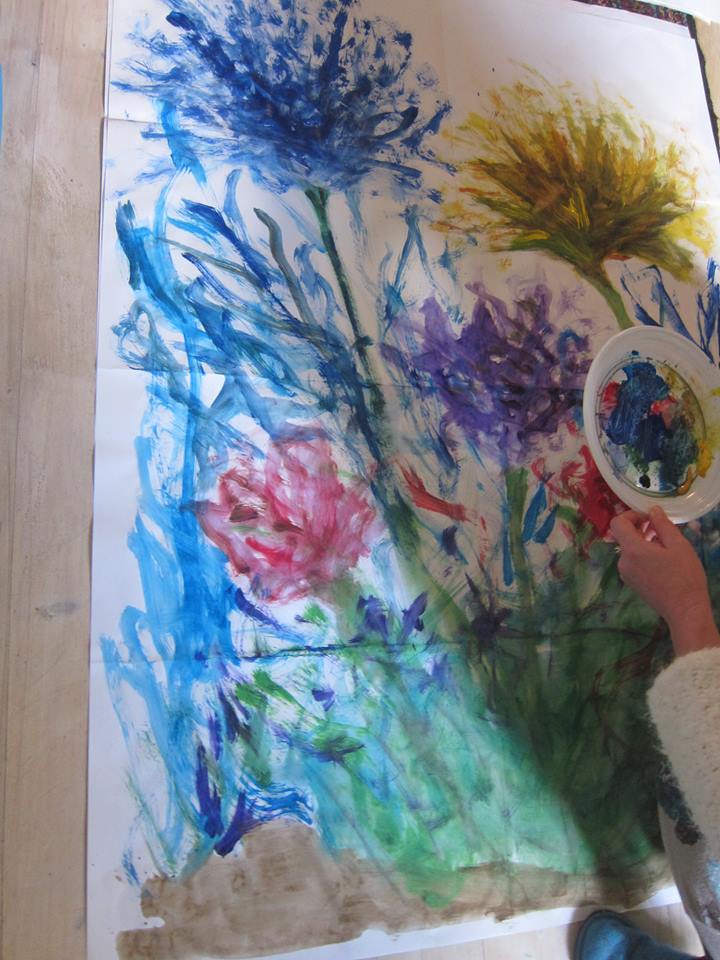
Founded in Sweden by Curt Källman, Vedic Art is rooted in the 17 principles of the Vedic teachings of India. It isn’t concerned with the teaching of how to paint but rather to tap into the memories of creating art in its purest form before rules and other influences clouded the spontaneity. Vedic Art, then , draws on purest form of feeling and sensation – in some ways much like automatic writing and meditation – and what develops from there Källman terms a “self-referential dialogue” that bases itself in the belief – in short – that we, like a seedpod, contain all the potential of growth and life and mirror the universe. I can’t help to think that all living things come in kit form: just add nourishment, water, light and learning!
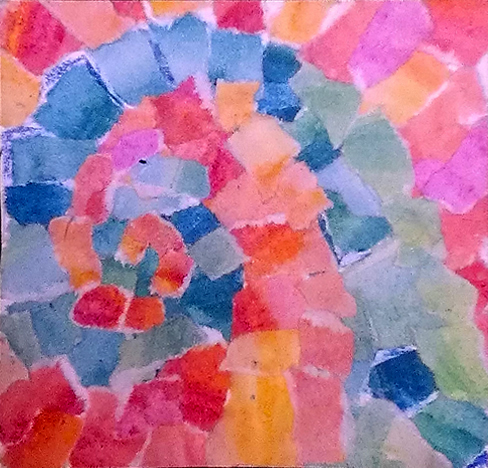
I remember in my early childhood drawing and painting in this way – our parents encouraged it. In recent years I’ve returned to this way of being (both in art and poetry) not necessarily shedding what I’ve learnt elsewhere, but rather integrating this into my practice. My school years in between taught me technique, observation, how to draw (and write) and while I applaud this and use this every day of my life, the academic element also taught me that there was a right and wrong way to make art and that you ‘learned from mistakes’ by practicing. Vedic Art, on the other hand, isn’t concerned about mistakes – simply because they don’t exist.
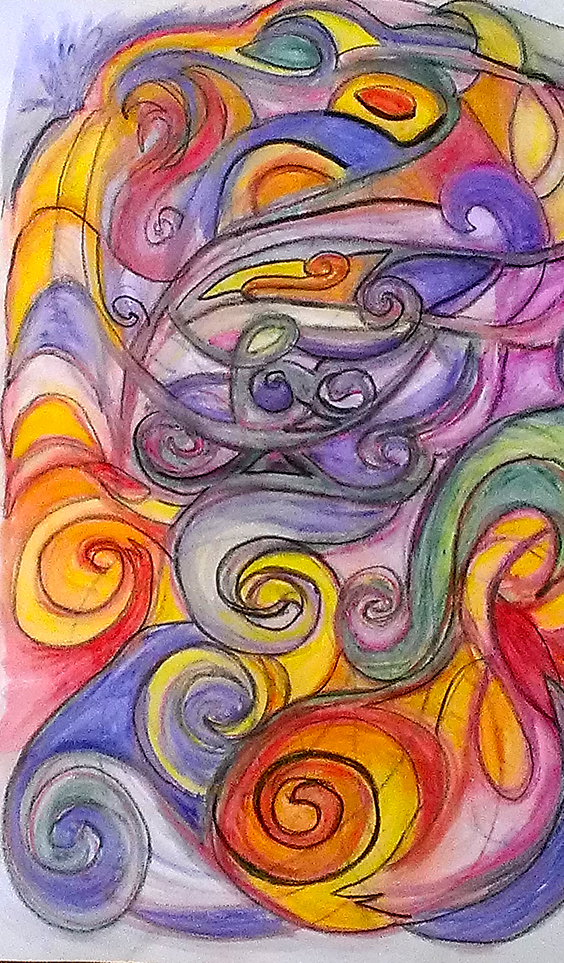
Does it make Vedic Art an arbitrary artform, then? Something that’s just pretty without any meaning or philosophy or academic unpacking of symbolism? No, on the contrary, it’s the process – not the end product – that is the focus. Meaning derived from an artwork is individual, self-referential and changeable. As I mentioned above, there are principles which create a framework to Vedic Art, beginning with line, shape, colour, texture, structure, size, etc, and it teaches at first to not just observe an object, but to observe the line and form the surrounds the object, not as in negative or positive space, but rather that these spaces are equal and complimentary. Observation comes from all angles, and includes the observer.
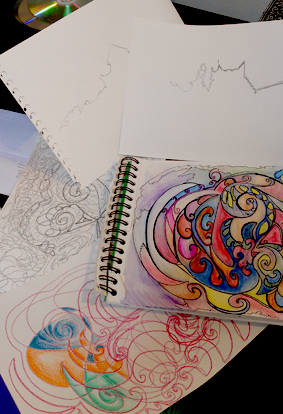
I can’t begin to tell you how much of a pleasure it is to come together once a week and get lost in this meditative process.
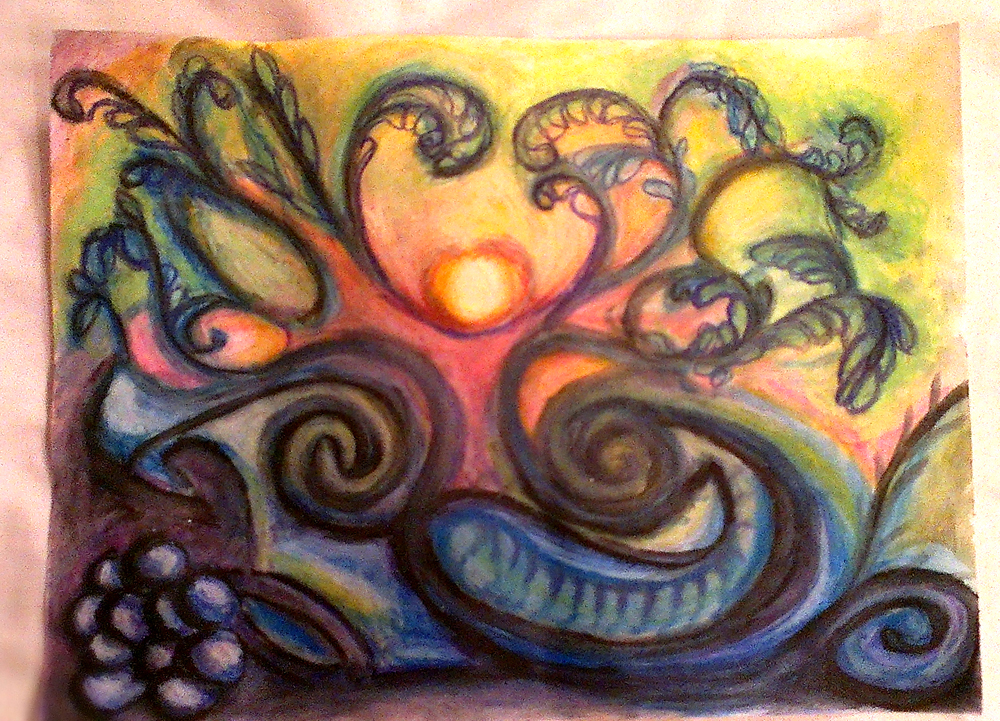
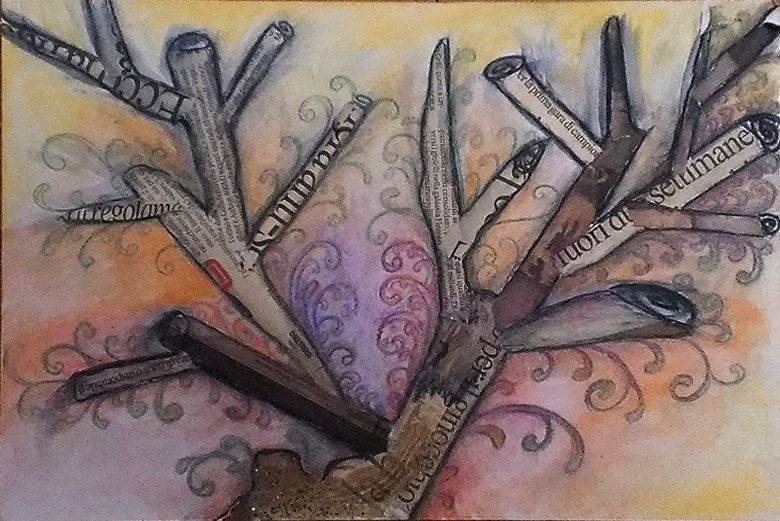
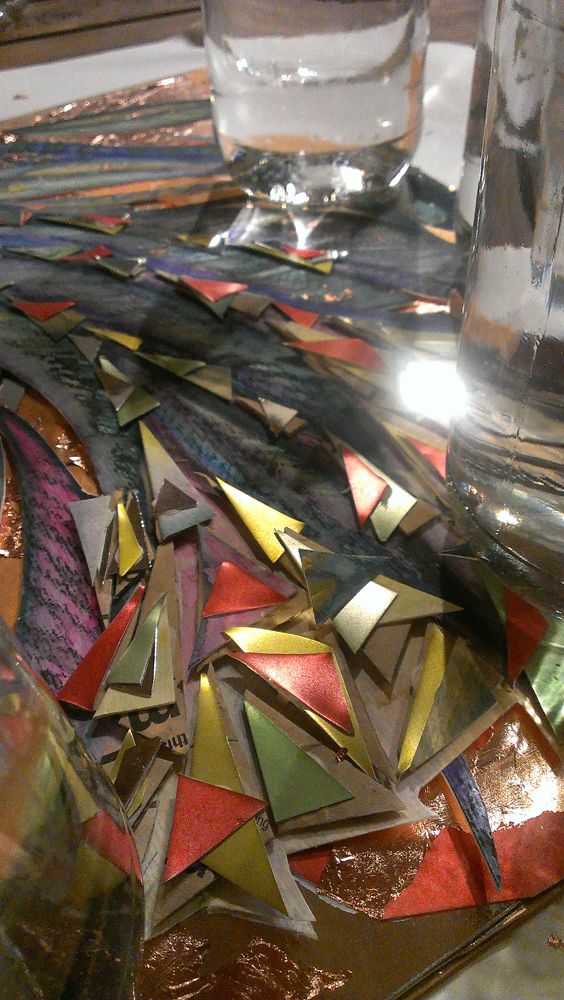
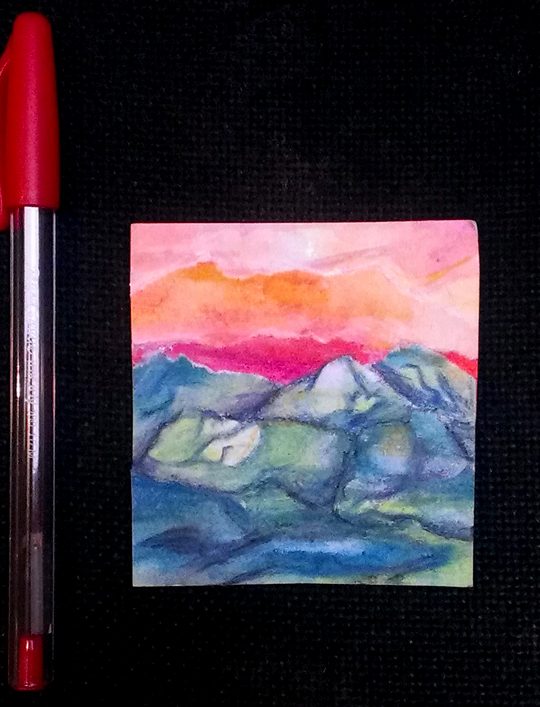
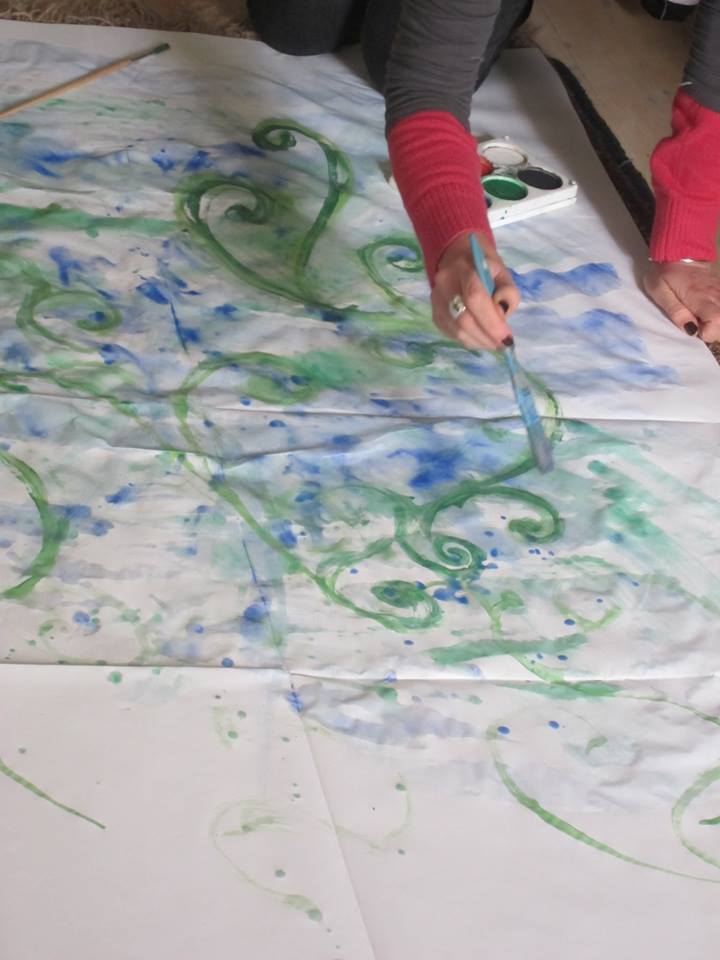
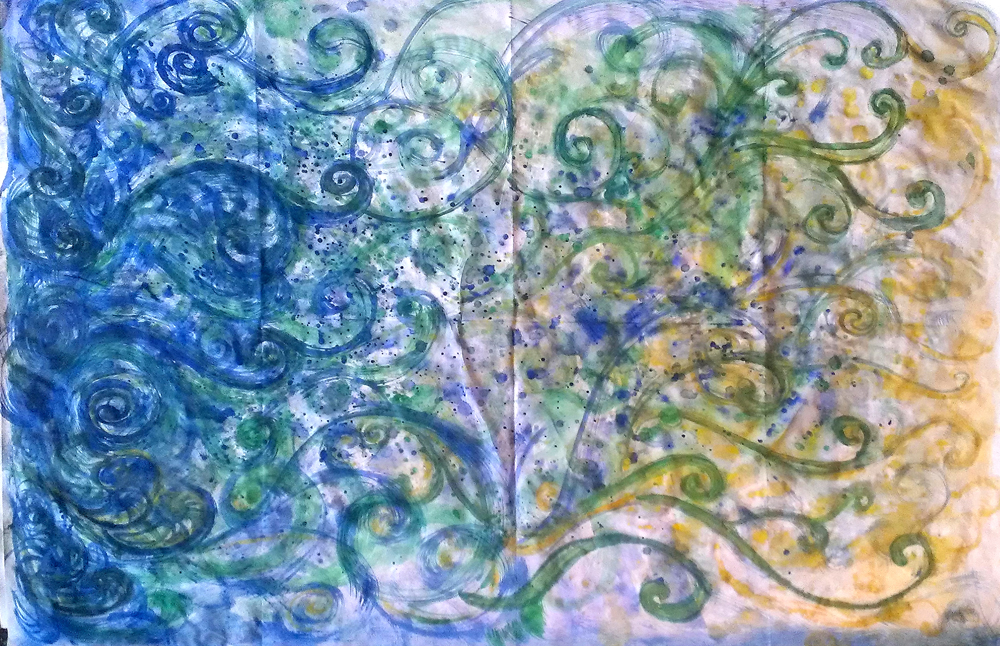
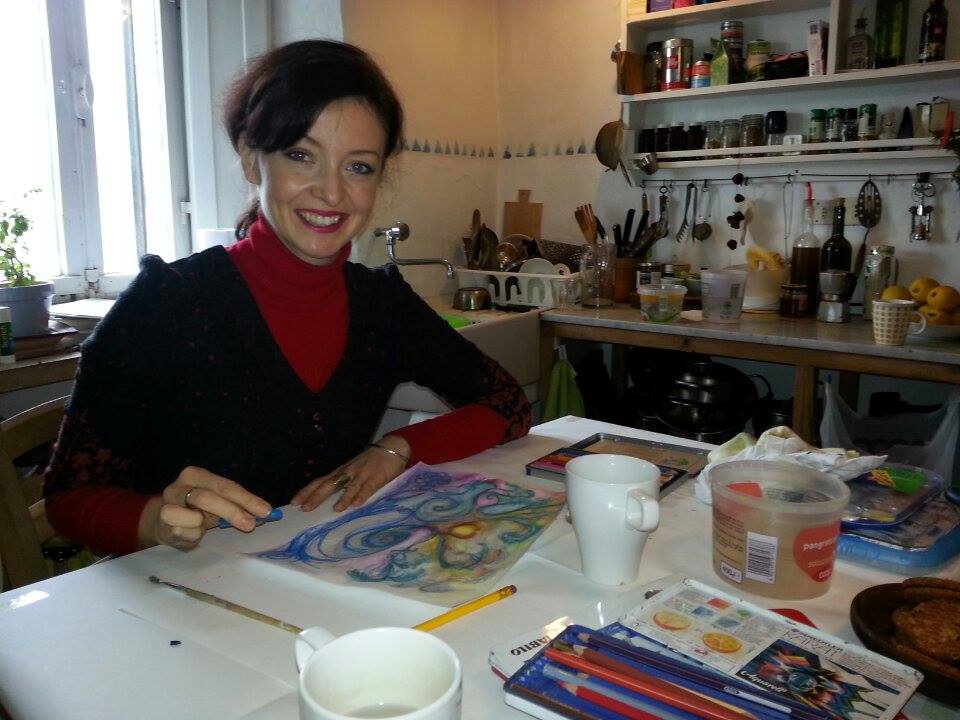
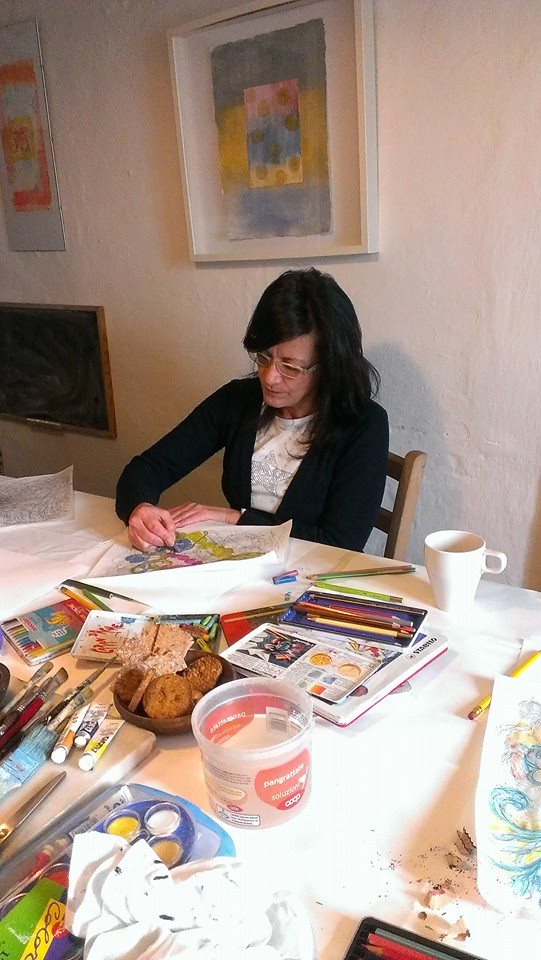
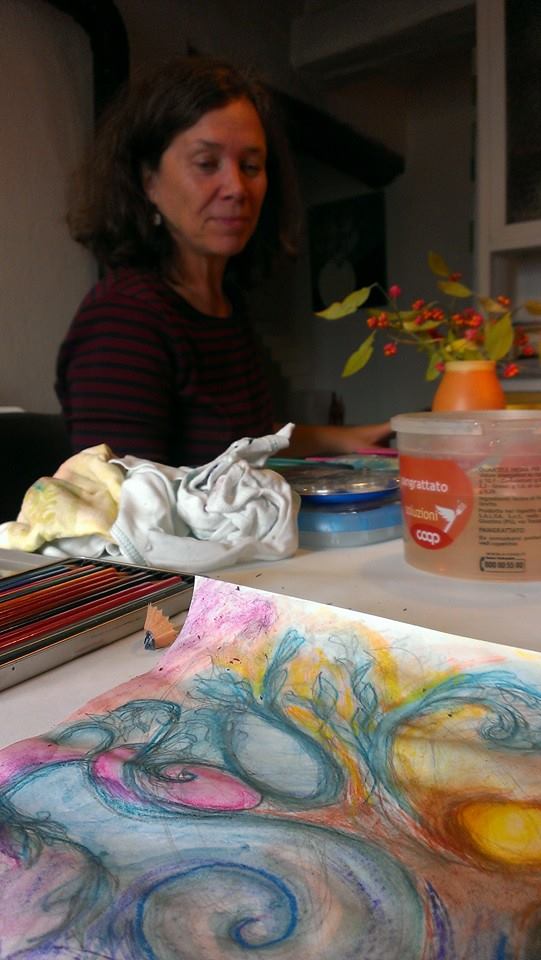
Here are some more images from the class.
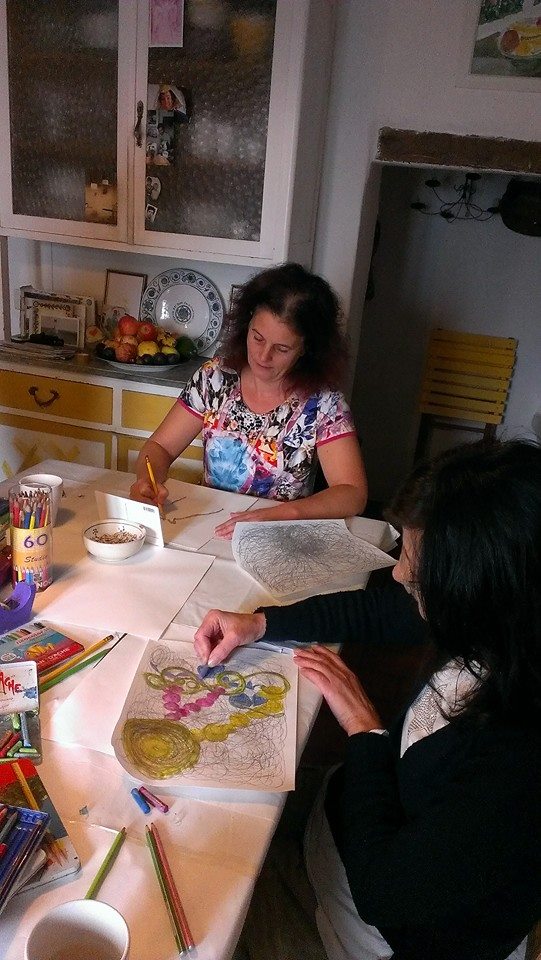
Like the idea? Feel the love??
Christine’s Vedic Art classes are becoming popular.
She runs weekly classes and day workshops (or longer) in spectacular locations. If you’d like to join a class or organise a workshop while you are visiting Tuscany, you can find her Facebook page here.
 Fury Lane Studio
Leave a comment